
Electrical Rewires In Cardiff
Electrical Rewires Experts
Trusted local electrician for emergency repairs, EV chargers, rewires, electrical upgrades & more across Cardiff and surrounding areas.

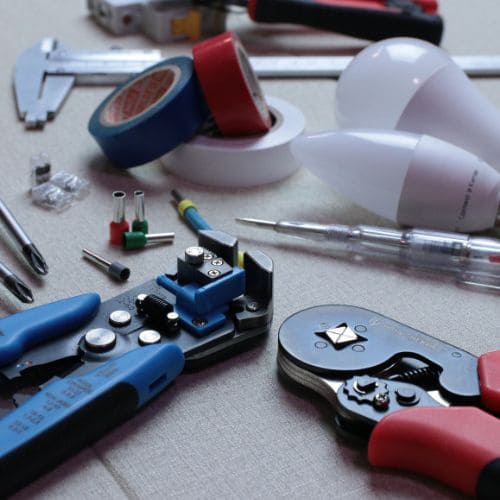
ASAP Electrical Cardiff
What Are Electrical Rewires And What Do They Solve?
An electrical rewire addresses problems caused by ageing, deteriorated, or unsuitable wiring within a property. Many electrical systems still in use today were installed decades ago when homes had fewer sockets, fewer appliances, and much lower electrical demand. As additional circuits, extensions, and alterations are added over time, the original wiring often struggles to support how the property is actually used.
The issue is rarely a single faulty socket or light fitting. A rewire deals with the wider condition of the electrical installation, replacing wiring that has reached the end of its serviceable life or no longer meets current requirements. Common concerns include insulation breakdown, outdated cable types, and circuits that have been modified repeatedly over many years.
At ASAP Electrical Cardiff, rewires are regularly carried out in occupied homes, renovation projects, and older properties undergoing modernisation. With qualifications including 18th Edition Wiring Regulations and 2391 Test & Inspect, every rewire begins with understanding the condition of the existing installation rather than making assumptions based on the property's age alone.
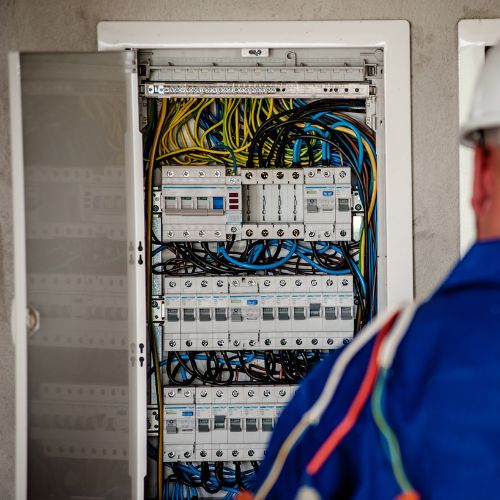
ASAP Electrical Cardiff
Common Electrical Rewires Situations
One situation frequently encountered involves homeowners experiencing recurring electrical faults in a property built several decades ago. They often believe individual accessories are causing the problem because sockets, switches, or light fittings have already been replaced. During inspection, the underlying issue is discovered within the wiring itself. Previous repairs have addressed symptoms while the ageing cables remain in place.
Another common scenario arises after purchasing an older property. The new owner plans cosmetic improvements such as decorating or replacing flooring and assumes the electrical system can remain untouched. Once electrical testing is completed, signs of older wiring methods, mixed alterations from previous owners, and limited socket provision become apparent. Delaying electrical work at this stage often leads to walls, ceilings, and finished surfaces needing to be disturbed later.
In both situations, repeated repairs, recurring faults, and uncertainty about the installation's condition create ongoing inconvenience and additional expense.
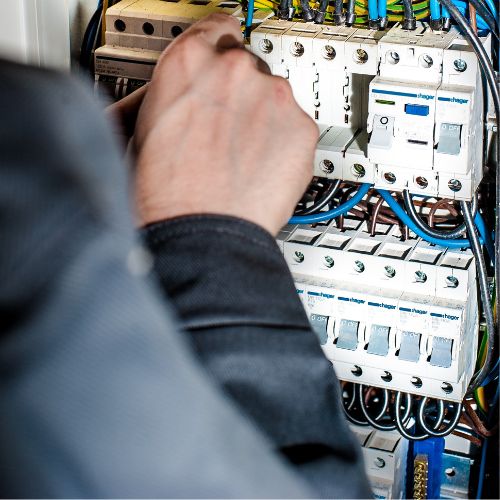
ASAP Electrical Cardiff
When Do You Need Electrical Rewires Services?
The need for a rewire often becomes clearer through a combination of electrical issues rather than one obvious fault. Small concerns begin appearing in different areas of the property and gradually become harder to ignore. Replacing accessories or resetting circuits provides temporary reassurance, but the same concerns continue resurfacing.
Many homeowners spend months addressing isolated problems without knowing whether the wiring behind them remains suitable. Delaying investigation can increase costs when future renovations, electrical additions, or inspection requirements arise.
Several signs regularly indicate that a professional assessment is worthwhile:
Old cable insulation visible during renovation work
Limited sockets forcing regular extension lead use
Mixed wiring colours found behind switches or sockets
Electrical faults affecting different rooms repeatedly
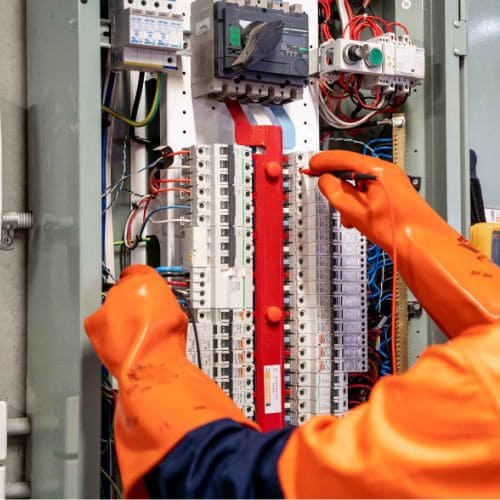
ASAP Electrical Cardiff
What Happens During Electrical Rewires & What To Expect?
The process starts with an assessment of the existing installation and a discussion about how the property is used. Socket locations, lighting layouts, appliance requirements, and future plans are considered before work begins.
During the rewire, new circuits and wiring are installed throughout the property. Consumer unit requirements, socket positions, lighting points, and specialist circuits are planned around practical day-to-day use rather than simply replicating the old layout. Testing is carried out throughout the project and completed again before the installation is energised.
A properly planned rewire focuses on accessibility, circuit capacity, and long-term usability. This reduces the need for future alterations as electrical demands continue to change.
Once completed, the property benefits from modern wiring, clearly identified circuits, and electrical infrastructure suited to current living requirements. If you're unsure about the condition of your wiring, ASAP Electrical Cardiff can assess the installation and explain the most practical options available.
TESTIMONIALS
What Our Electrical Rewires Customers Say About Us
The Process
3 Step Process For Your Electrical Rewires Needs

Contact Us
Start by completing the 'Get a Free Quote' form on our website to share your Electrical Rewires needs with us.

Get Your Estimate
Next, we'll discuss all the relevant details required to provide an estimate for your Electrical Rewires requirements.

Get The Job Done
After you approve our estimate, we'll schedule a date to complete the job. Our team will work hard to exceed your expectations!
We regularly carry out Electrical Rewires across multiple locations. Below are some common questions about availability and service coverage.
Q: Which Locations Are Covered For Electrical Rewires?
A: We provide professional Electrical Rewires for clients based in Cardiff, while also supporting work across Ely, Cardiff and Caerau, Cardiff. Projects are frequently carried out in Fairwater, Cardiff and the Canton, Cardiff area, allowing us to deliver a consistent and reliable service across all locations.
Q: How Do You Coordinate Scheduling For Electrical Rewires Work In Cardiff And The Surrounding Regions?
A: Our scheduling approach is designed to manage enquiries efficiently across multiple areas. Clients in Radyr, Cardiff and Llandaff, Cardiff are often scheduled within the same availability windows, while requests from Grangetown, Cardiff and St Fagans, Cardiff are handled with flexibility depending on timing and scope. We also coordinate work in the Pentyrch, Cardiff area to maintain consistent coverage across all locations.
Q: When Might Electrical Rewires Be Required In My Area?
A: The need for Electrical Rewires can vary depending on individual requirements and circumstances. In areas such as Creigiau, Cardiff and across Dinas Powys, requests may arise as part of planned work or specific requirements, while in Penarth and Barry, enquiries may be more immediate or situational. This allows us to adapt our approach based on the needs of each client and location.
Q: Are Additional Services Available Alongside Electrical Rewires?
A: Yes — alongside Electrical Rewires, we also provide reliable EV Charger Installation services, trusted Consumer Unit Upgrades solutions, and professional Emergency Electrician as part of a combined approach. In many cases, projects may also include bespoke Additional Sockets & Wiring depending on the overall requirements.
Request A Free Electrical Rewires Quote
GET A FREE QUOTE
BUSINESS
SERVICES
SERVICE AREAS
OPERATING HOURS
24 hours a day
7 days a week
Registered with: